
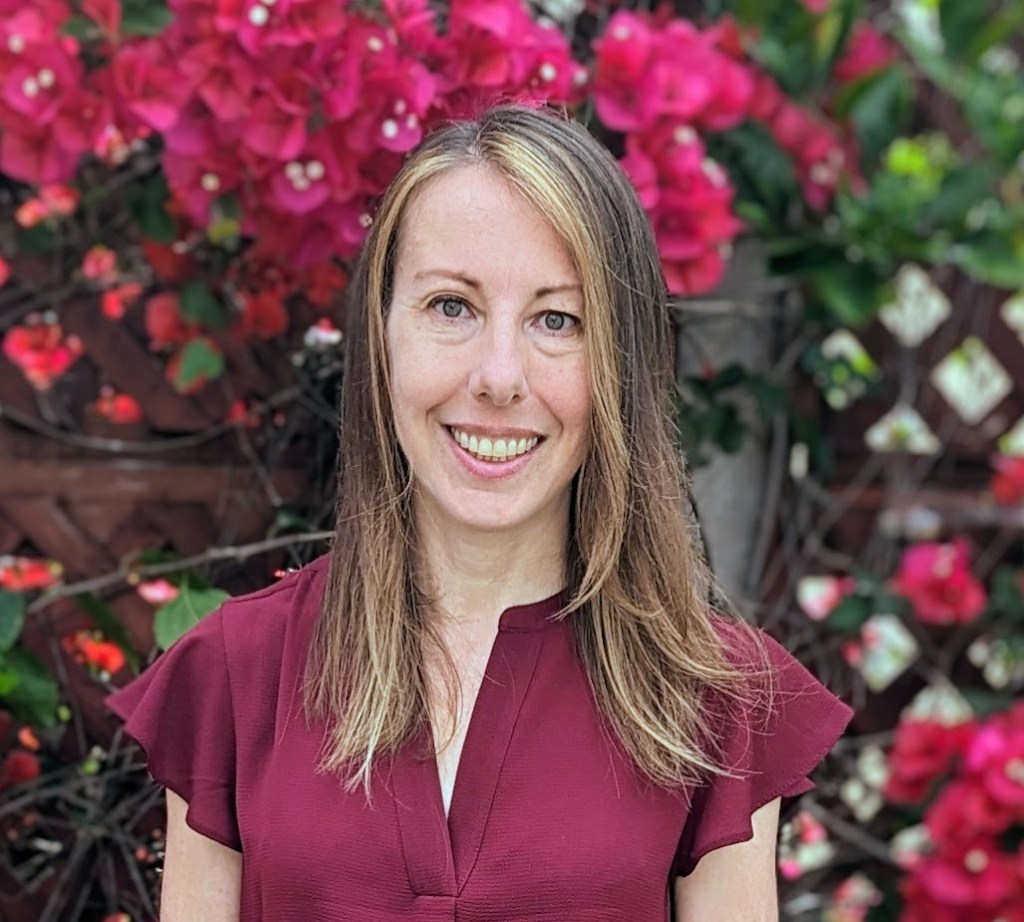
Lindsay Morris is a versatile writer who pairs rigorous research with an inviting, relatable style. Specializing in health, nutrition, travel, small business, and lifestyle, she brings evidence-based insights to life through vivid storytelling and expert-driven narratives.
A former Shape editor, Lindsay’s writing has appeared in numerous national publications, including Forks Over Knives, JaneFriedman.com, and Advertising Age, where she delivers practical takeaways grounded in meticulously checked facts. She has also crafted branded content for companies including Patagonia and Headspace. In addition to her journalism and copywriting, Lindsay writes historical fiction as Lindsay Marie Morris.
Featured Content
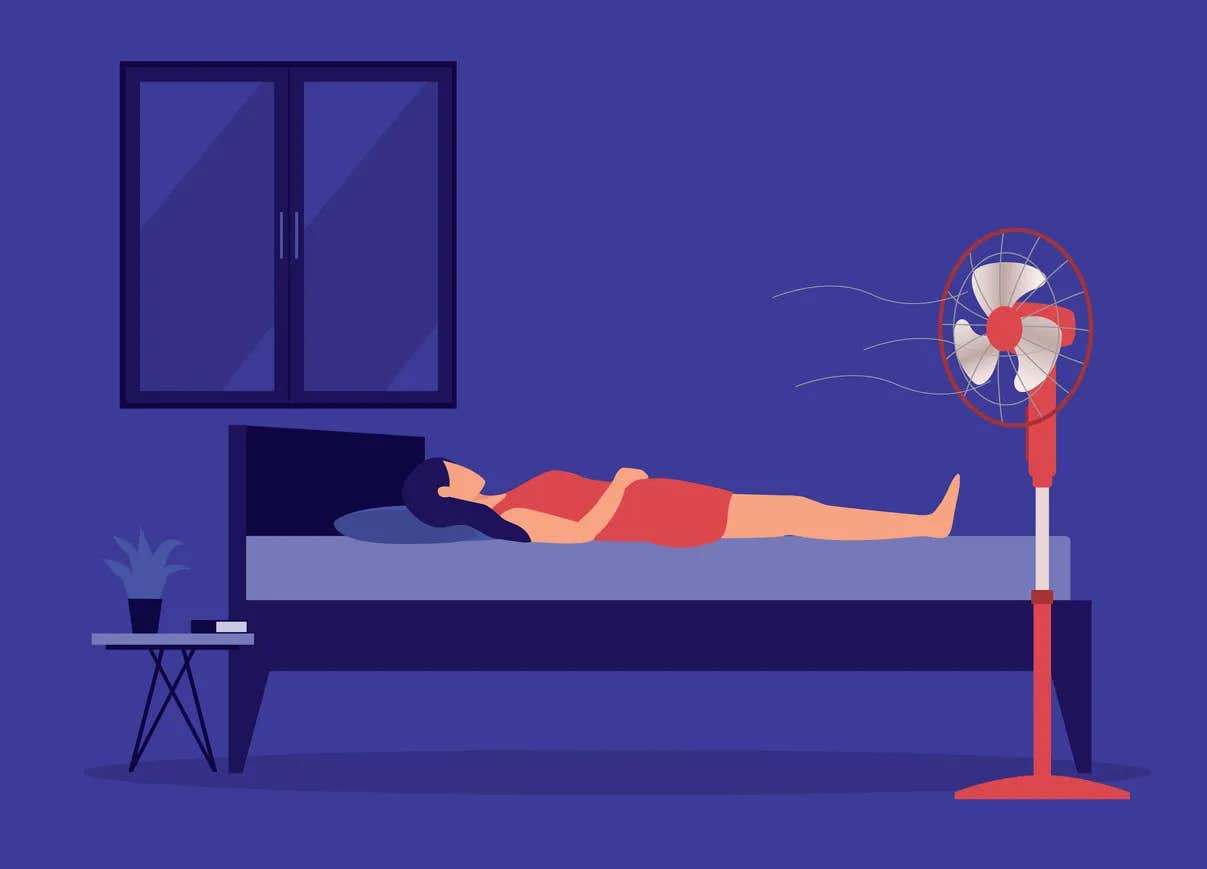
The Daily Habits That Can Help Ease Menopause Symptoms
About 85% of women experience menopausal symptoms, particularly hot flashes. While more severe cases may warrant medical interventions, a growing body of evidence suggests that lifestyle choices can go a long way toward managing symptoms and improving quality of life in menopausal women.

Still Look Pregnant After Giving Birth? Here’s Why That’s Totally Normal
Your body undergoes significant changes during pregnancy, and recovery takes time. From a stretched uterus to extra fluid and slower metabolism, it’s normal for your belly to still look pregnant after birth. Here’s what’s happening and how to support a healthy, gradual recovery with no rush or extra pressure.

How to Turn Real Family Stories Into Compelling Historical Fiction
Discover how one I turned my grandparents’ World War II love story into compelling historical fiction—and learn how you can transform your own family history into a powerful, page-turning novel.

Diet and Breast Cancer Risk: Why a New AMA Policy Could Be a Game-Changer
In a groundbreaking shift toward prevention, the American Medical Association has officially endorsed educating patients on plant-based diets and lifestyle habits to lower breast cancer risk—a move that could the approach to one of women’s most common cancers.
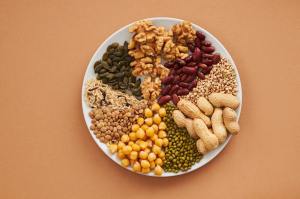
Want to Keep Your Brain Sharp? New Research Suggests a Helpful Food Swap
Swapping bacon for beans might benefit your brain. A new Harvard study suggests replacing just one serving of processed meat with nuts or beans is linked to a 19% lower risk of dementia.

Study Finds Plant-Forward Diets May Help Prevent and Slow Parkinson’s
Emerging research suggests that plant-forward diets—such as vegan and Mediterranean diets—may help prevent Parkinson’s disease and slow its progression.

Why All Ozempic, Wegovy Patients Should Consider a Plant-Based Diet
GLP-1 weight-loss drugs like Ozempic, Wegovy, and Zepbound are being prescribed in record numbers and have even been considered for coverage under Medicare and Medicaid. While these medications have helped many patients lose weight, they come with some widely reported downsides—unpleasant side effects during treatment and trouble keeping the weight off once the medication is discontinued. Fortunately, obesity medicine specialists say that diet and lifestyle measures can help in both these areas.

What Is CKM Syndrome? American Heart Association Identifies New Condition That Links Heart Disease, Kidney Disease, Obesity
The American Heart Association has identified a new health condition called cardiovascular-kidney-metabolic (CKM) syndrome, highlighting how obesity, diabetes, and chronic kidney disease are deeply interconnected. Learn how to recognize the stages, reduce your risk, and take control of your health through small, lifestyle-based changes—including diet and movement.

Should You Avoid Nightshades? A Look at the Research
Bell peppers, eggplants, tomatoes, potatoes—these common staples belong to the nightshade family, a group of plants often praised for their health benefits and occasionally blamed for inflammation. But what does science really say? Find out which claims hold up, when to be cautious, and how to enjoy nightshades as part of a balanced, plant-based diet.

Is Any Amount of Alcohol Safe? Experts Weigh In
You’ve heard both sides: One glass of wine a day is good for your heart—or maybe no alcohol is safe at all. So, what’s the truth? We unpack the latest science on alcohol’s impact on your brain, heart, and cancer risk, and ask leading experts whether moderation really makes a difference.

Metabolic Syndrome and Diet: What You Need to Know
Metabolic syndrome is more common than you think—and more reversible than you may realize. From high blood pressure and belly fat to insulin resistance and cholesterol issues, we break down the signs, risk factors, and how small lifestyle changes—especially a whole-food, plant-based diet—can make a big difference. Plus, real-life success stories that prove it’s possible to turn your health around.

Can Diet Help Autoimmune Disease? Here’s What the Research Says
Autoimmune diseases affect more than 24 million Americans—and while there’s no cure, research shows your diet can play a major role in reducing symptoms and inflammation. Find out which foods help, which to avoid, and how others have improved their lives through plant-based eating.

Changing the Fabric of Our Lives
When a pheasant died a Texas cotton-grower’s field, it pushed him to rethink everything—his livelihood, his legacy, and the chemicals saturating U.S. agriculture. What followed was a bold transition to organic cotton farming, a partnership with Patagonia, and a movement that’s now expanding beyond “less harm” to “more good.” Discover how one farmer—and one company—are working to change the fabric of our lives.

Want to Save Money on Groceries? Go Plant-Based
A whole-food, plant-based diet doesn’t just benefit your health—it helps your wallet, too. In fact, research shows you can cut your grocery bill by up to 14% by eating more plants. From farmers market finds to bulk-bin bargains, here are six expert-backed ways to eat healthy on a budget—without sacrificing flavor or nutrition.

What Is Transcendental Meditation and Does It Work? – Headspace
Discover how Transcendental Meditation® (TM®), practiced effortlessly for just 20 minutes twice daily, offers scientifically backed benefits for stress relief, heart health, focus, and overall well-being—practiced by millions worldwide, including celebrities.

 Lindsay Morris